Our Courses
Choose the course that matches your current skill level and professional goals. Each includes practical exercises, real-world datasets, and ongoing support.

SQL Fundamentals
Build a foundation in querying relational databases. Learn to write SELECT statements, filter results with WHERE clauses, join multiple tables, and aggregate data. By the end, you'll handle most day-to-day database tasks confidently.
What you'll learn:
- Writing efficient SELECT queries
- Filtering and sorting data
- Joining tables with INNER, LEFT, and RIGHT joins
- Grouping data and using aggregate functions
- Subqueries and common table expressions

Advanced Analytics
Move beyond descriptive statistics into predictive modeling. Explore regression analysis, classification algorithms, and time series forecasting. Apply these techniques to business problems like customer churn prediction and demand forecasting.
What you'll learn:
- Statistical analysis fundamentals
- Linear and logistic regression
- Decision trees and random forests
- Time series analysis and forecasting
- Model evaluation and validation
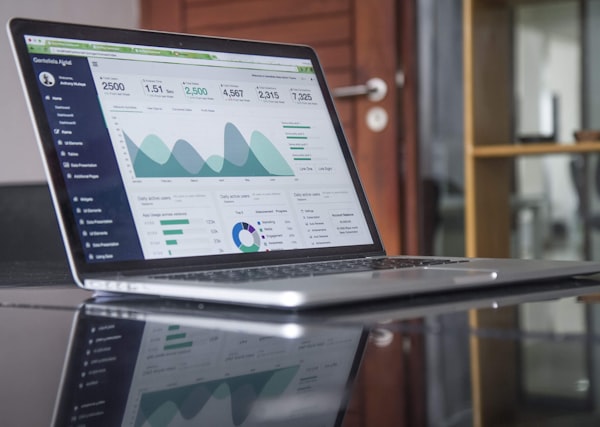
Business Intelligence Essentials
Create dashboards and reports that stakeholders actually use. Learn visualization principles, when to use different chart types, and how to structure information for different audiences. Covers both design principles and technical implementation.
What you'll learn:
- Data visualization best practices
- Dashboard design and layout
- KPI selection and metric definition
- Interactive reporting techniques
- Presenting data to non-technical audiences
Data Warehousing
Understand how organizations structure data for analysis at scale. Learn dimensional modeling, ETL design patterns, and data quality frameworks. Practical focus on designing warehouses that balance performance with maintainability.
What you'll learn:
- Star and snowflake schema design
- ETL processes and data pipelines
- Slowly changing dimensions
- Data quality and validation
- Performance optimization strategies
Python for Data Analysis
Use Python libraries to clean, transform, and analyze data. Focus on pandas for data manipulation, matplotlib and seaborn for visualization, and basic statistical analysis. No prior programming experience required.
What you'll learn:
- Python basics for data work
- Data manipulation with pandas
- Data visualization libraries
- Working with CSV, Excel, and JSON files
- Automating repetitive analysis tasks

Data Storytelling
Transform analysis into compelling narratives that drive decisions. Learn to structure presentations, choose the right level of detail for your audience, and handle questions effectively. Combines communication skills with data knowledge.
What you'll learn:
- Structuring data narratives
- Tailoring content to different audiences
- Visual design for presentations
- Handling objections and questions
- Building executive summaries
Not Sure Which Course to Choose?
Most learners start with SQL Fundamentals if they're new to databases, or Business Intelligence Essentials if they already know SQL but want to improve their reporting skills.
Advanced Analytics and Data Warehousing assume you're comfortable with SQL and basic statistics.
Course content is educational in nature and outcomes depend on individual effort, background, and application. These courses do not guarantee employment, promotions, or specific career results. Individual learning experiences may differ based on prior knowledge and time commitment. Consult with your organization about professional development plans before enrolling.